
HL Drinker • Bartending Life
8 Reasons Why Being a Bartender Is a Difficult Job
When you picture a bartender, you might imagine someone effortlessly mixing cocktails, chatting with customers, and having a great time behind the bar. While bartending can be fun and rewarding, it has its fair share of challenges. It’s not just about pouring drinks—it’s about handling pressure, managing people, and staying on your feet for hours. Here are eight reasons why being a bartender is a difficult job.
After jumping into the list, you may decide being a bartender is not for you, and you’d instead leave the tough job to the professionals. Should you need a personal bartender for a private or public event, consider contacting us at Hook Line and Drinker. We are Tampa Bay’s most trusted wedding and event bartenders, with decades of experience running custom bars at an event.
In this article, we break down eight real reasons bartending is such a difficult job—and why the people who do it well deserve far more credit than they usually get.
By HL Drinker • Updated March 4, 2026
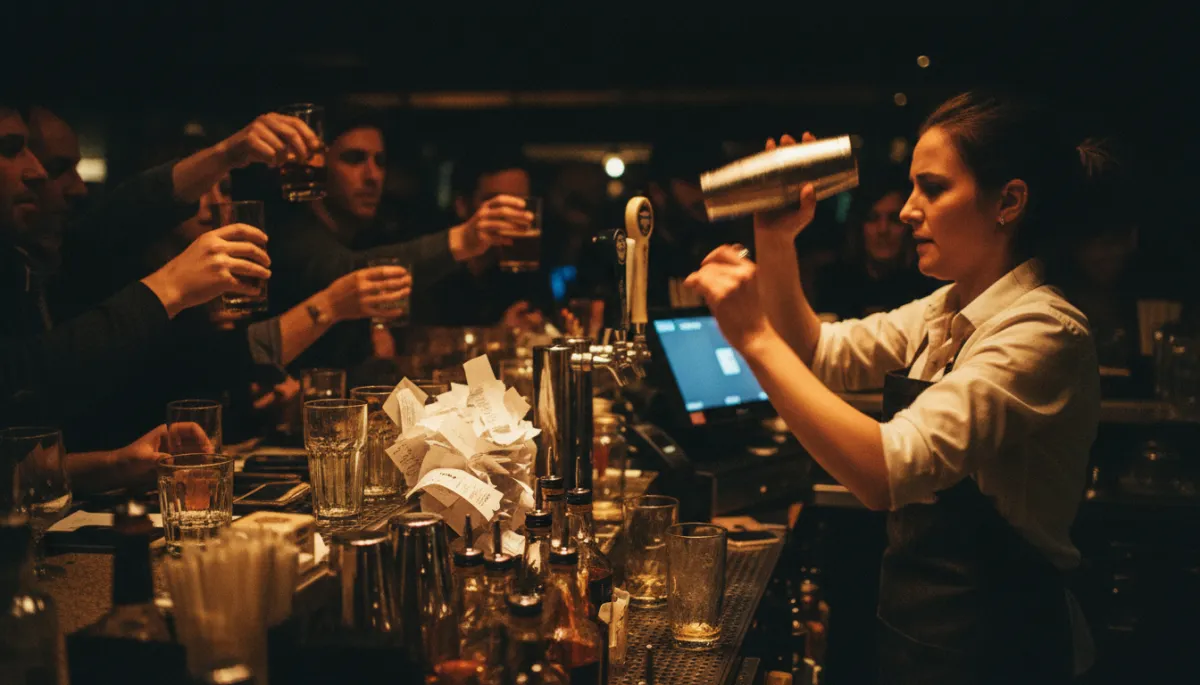
Long nights, fast tickets, and constant pressure—this is what service really looks like behind the bar.
Bartending is more than pouring drinks. It’s equal parts logistics, performance, conflict management, and physical endurance—all while staying fast, friendly, and accurate. Below are eight reasons why it’s such a demanding job.
1. Intense physical demands and long hours
Bartenders are on their feet for 8–12 hours at a time, often without a proper break. They lift heavy kegs, cases of bottles, bags of ice, and constantly reach, shake, stir, and bend. The work is repetitive and high impact, leading to back pain, wrist injuries, and chronic fatigue. And when everyone else is going home, bartenders are still closing out tabs, cleaning, and resetting the bar for the next day.
2. Constant multitasking under pressure
On a busy night, bartenders are juggling dozens of open tabs, multiple drink orders at different stages, staff questions, and guests trying to get their attention—all at once. They have to remember complex cocktails, note who ordered what, prioritize tickets, and still move with speed and grace. There’s no pause button; mistakes are public and immediate, and the pace rarely lets up during peak hours.
3. Emotional labor and constant social performance
A good bartender is part host, part therapist, part entertainer. Even on their worst day, they’re expected to be charming, patient, and attentive. They absorb guests’ stories, frustrations, and energy for hours—while hiding their own. That kind of emotional labor is exhausting, especially when paired with the expectation to smile through rude behavior, impatience, or inappropriate comments.
4. Dealing with intoxicated and difficult guests
Alcohol lowers inhibitions, which means bartenders are often the first line of defense when guests become aggressive, inappropriate, or unsafe. Cutting someone off can quickly escalate into confrontation. Bartenders have to read body language, de‑escalate tension, protect other guests, and sometimes coordinate with security or management—all while keeping service moving as if nothing is wrong.
5. Responsibility and liability
Serving alcohol comes with serious legal and ethical responsibility. Bartenders are expected to check IDs, monitor intoxication levels, and refuse service when necessary. In many places, they can be held liable if an overserved guest harms themselves or others after leaving. That’s an enormous amount of pressure to carry while still trying to keep the atmosphere fun and relaxed.
6. Complex knowledge and constant learning
Memorizing classic cocktails is just the beginning. Bartenders need to know spirits, wine, beer styles, flavor balancing, bar tools, glassware, and house recipes—plus rotating menus, seasonal specials, and off‑menu favorites for regulars. Trends in cocktails and guest expectations change quickly, so staying sharp means constant tasting, research, and practice outside of official shifts.
7. Irregular schedule and lifestyle impact
While most people wind down in the evenings and on weekends, that’s when bartenders are clocking in. Late nights, split shifts, and inconsistent schedules make it hard to maintain routines, relationships, and sleep. Holidays, big events, and weekends—times associated with rest for many—are some of the busiest and most exhausting shifts behind the bar.
8. Income uncertainty and reliance on tips
In many regions, bartenders rely heavily on tips to make a livable income. That means their pay can swing wildly from night to night based on factors they can’t control: weather, events, staffing levels, or simply who walks in the door. They’re expected to deliver consistently great service even when the room is slow, the tips are thin, or the base wage is below standard.
Bartending is hard work—but it’s also an art. The best bartenders make everything look effortless, even when they’re managing chaos behind the scenes. The next time you’re out, tipping well, being patient, and showing a little extra respect goes a long way.
If you’re a bartender yourself, know this: the skills you’ve built—people skills, focus under pressure, taste, timing, and resilience—are rare and valuable, both behind the bar and far beyond it.
For bartenders, by bartenders
Get stories, tips, and real talk from behind the bar.
Join the HL Drinker newsletter for honest takes on bartending, drink culture, and life in hospitality—no fluff, just the good stuff.
No spam. Just occasional emails worth reading after a long shift.
Hook Line & Drinker
Professional Bartending Services Tampa Bay, Florida


P: 727-314-6400
Serving Hillsborough, Pinellas, Pasco, Manatee, Hernando, and Sarasota County
© 2026 Hook Line and Drinker. All Rights Reserved. Designed by Epic180